


Custom Hot Water Coils.
Custom hot water coils for commercial hydronic heating, replacement, and retrofit requests. Start with measurements of the existing coil or submit an existing drawing through the separate drawings pathway in Coil Brief.
2–3 minutes with measurements ready.
What does a hot water coil do?
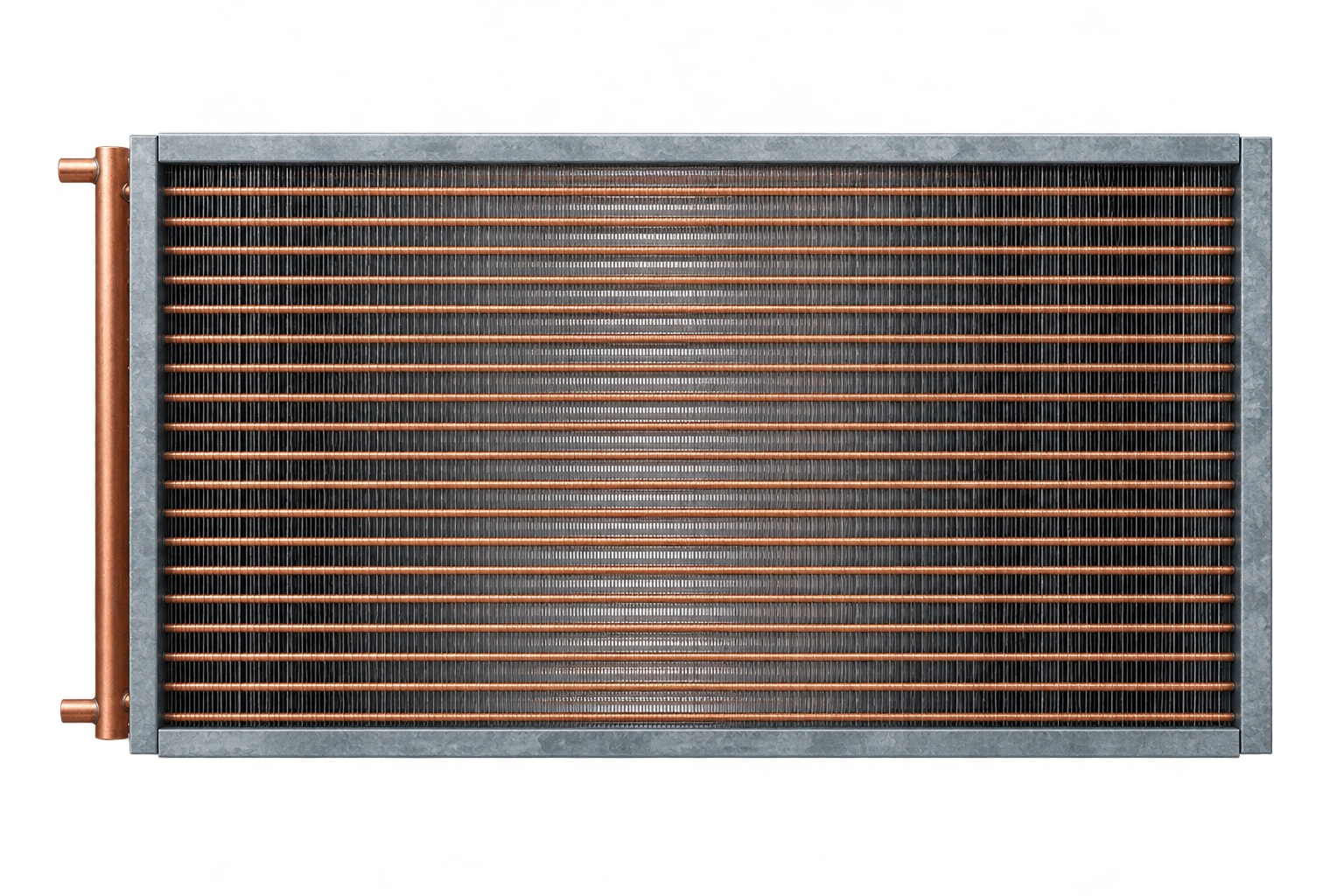
A hot water coil transfers heat from circulating hot water into the air. Water flows through the tubes while air passes between the fins, picking up heat before continuing through the ventilation system. These hydronic coils can provide space heating, preheating, or reheat, depending on the application.
Headers distribute and collect the circulating fluid, while the fins increase the surface area available for heat transfer. A hot water coil uses heated liquid rather than condensing steam or refrigerant. The illustration shows one possible construction. Connection arrangements can vary to suit the installation.

Coil selection
What matters when selecting a hot water coil?
The right coil depends on the heating requirement, airflow, available space, and operating conditions—not building size alone.
| What to consider | Why it matters |
|---|---|
| Heating requirement | Heating load and the air temperature needed |
| Airflow and pressure drop | Airflow, fan capability, rows, and fin spacing |
| Water conditions | Water temperatures, flow, and glycol concentration |
| Materials and environment | Fluid compatibility and environmental exposure |
| Fit and installation access | Dimensions, connections, and removal space |
Replacing an existing coil? Start with its measurements or drawing.
Operating data is not required to begin a measurement-based replacement request.
Materials and construction
Explore materials for your hot water coil.
Relative upfront cost: $ lower · $$ moderate · $$$ higher
Fin materials

Aluminum
Relative upfront cost: 1 of 3.

Copper
Relative upfront cost: 2 of 3.

Stainless steel
Relative upfront cost: 3 of 3.
Tube materials
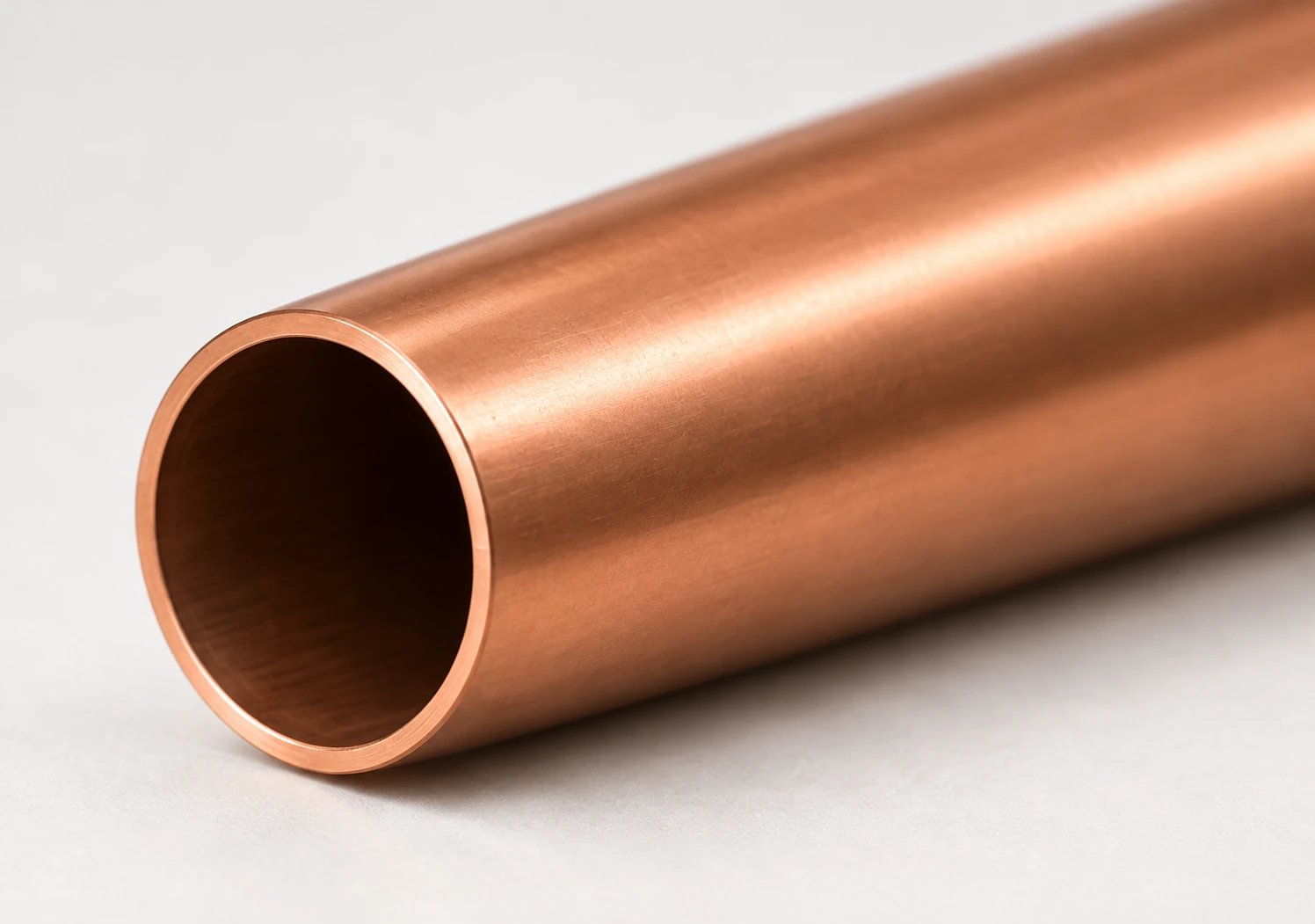
Copper
Relative upfront cost: 1 of 3.
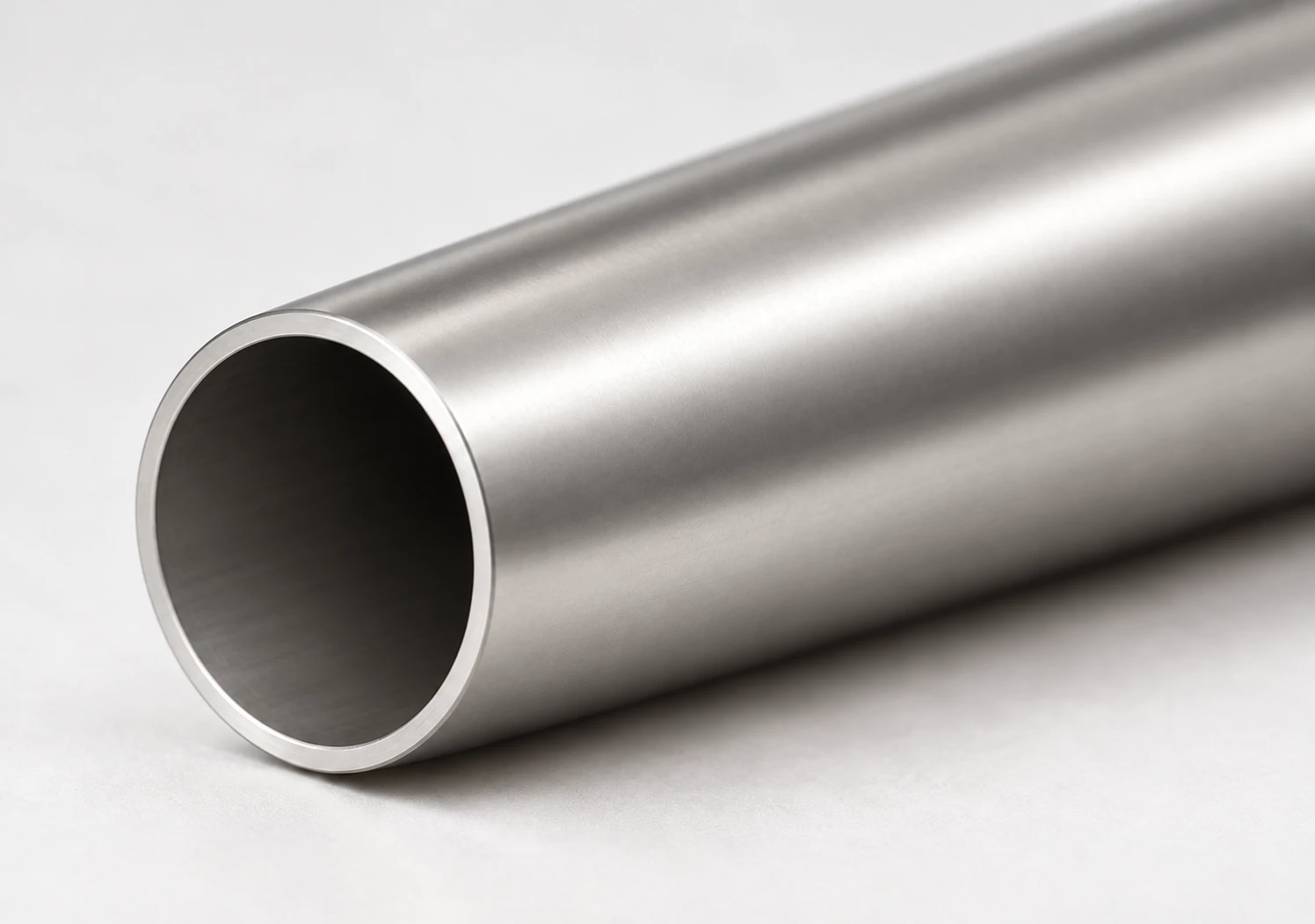
Stainless steel
Relative upfront cost: 2 of 3.
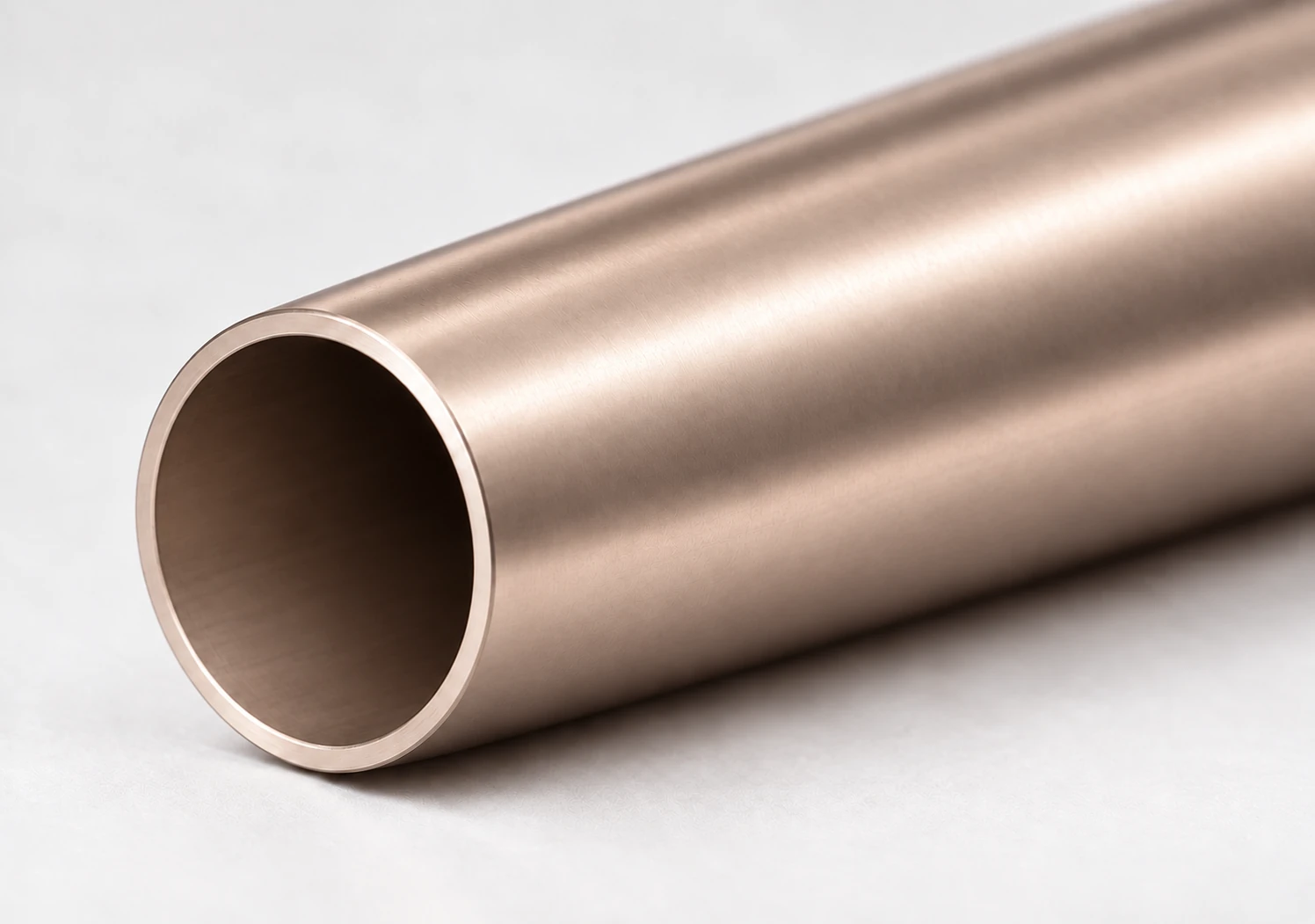
Copper nickel
Relative upfront cost: 3 of 3.
Relative material cost. Final pricing depends on coil specifications.

Casing
The formed frame supports and protects the coil. Galvanized steel and stainless steel casing options are reviewed against the application and approved drawing.
Header materials may include copper, copper nickel, or stainless steel. Final materials and construction are confirmed through the approved drawing.
Heat-transfer fluids
These fluids circulate through the coil to carry heat from the heating system into the air.
Water
Hot water circulates through the coil’s tubes and releases heat into the air passing across the fins. The cooler water returns to the heating system to be reheated before circulating again.
Ethylene glycol
Freeze protectionEthylene glycol is mixed with water to help protect the circulating fluid from freezing. The heated mixture flows through the coil and transfers heat into the air, supporting heating systems that may experience cold conditions.
Propylene glycol
Freeze protectionLower toxicityPropylene glycol can also be mixed with water to carry heat through a heating system while lowering the fluid’s freezing point. Its lower acute toxicity compared with ethylene glycol can make it preferable where potential exposure is a consideration.
The fluid used depends on the system’s design and operating environment.
Start with the coil measurements or drawings you have. Rowform reviews your submission and follows up if additional information is needed.
Replacement and order details
OEM replacements
Discontinued or unknown model? Start with measurements or a drawing.
Independent aftermarket replacements. Rowform is not affiliated with or endorsed by these brands.
Coil protection
Nano Coating, E-Coating, and optional hydrophilic fin treatment.
Production and delivery
Your quote separates manufacturing and transit estimates.
12-month limited warranty
Coverage begins at documented delivery.
Review your drawing before production.
Check the proposed dimensions, connection locations, materials, construction, and any selected coating on the engineering drawing before approving it. Contact Rowform about discrepancies before approval.
Submitting a Coil Brief does not place an order or require payment. Coil Record keeps your project documents and order updates together.
Start a Coil Brief