Worldwide ShippingNo Account Needed to Start a Coil BriefSupport in English and Spanish
Worldwide ShippingNo Account Needed to Start a Coil BriefSupport in English and Spanish
Worldwide ShippingNo Account Needed to Start a Coil BriefSupport in English and Spanish
Worldwide ShippingNo Account Needed to Start a Coil BriefSupport in English and Spanish
Worldwide ShippingNo Account Needed to Start a Coil BriefSupport in English and Spanish
Custom Chilled Water Coils.
Custom chilled water coils for commercial replacement and retrofit requests. Start with measurements of the existing coil or submit an existing drawing through the separate drawings pathway in Coil Brief.
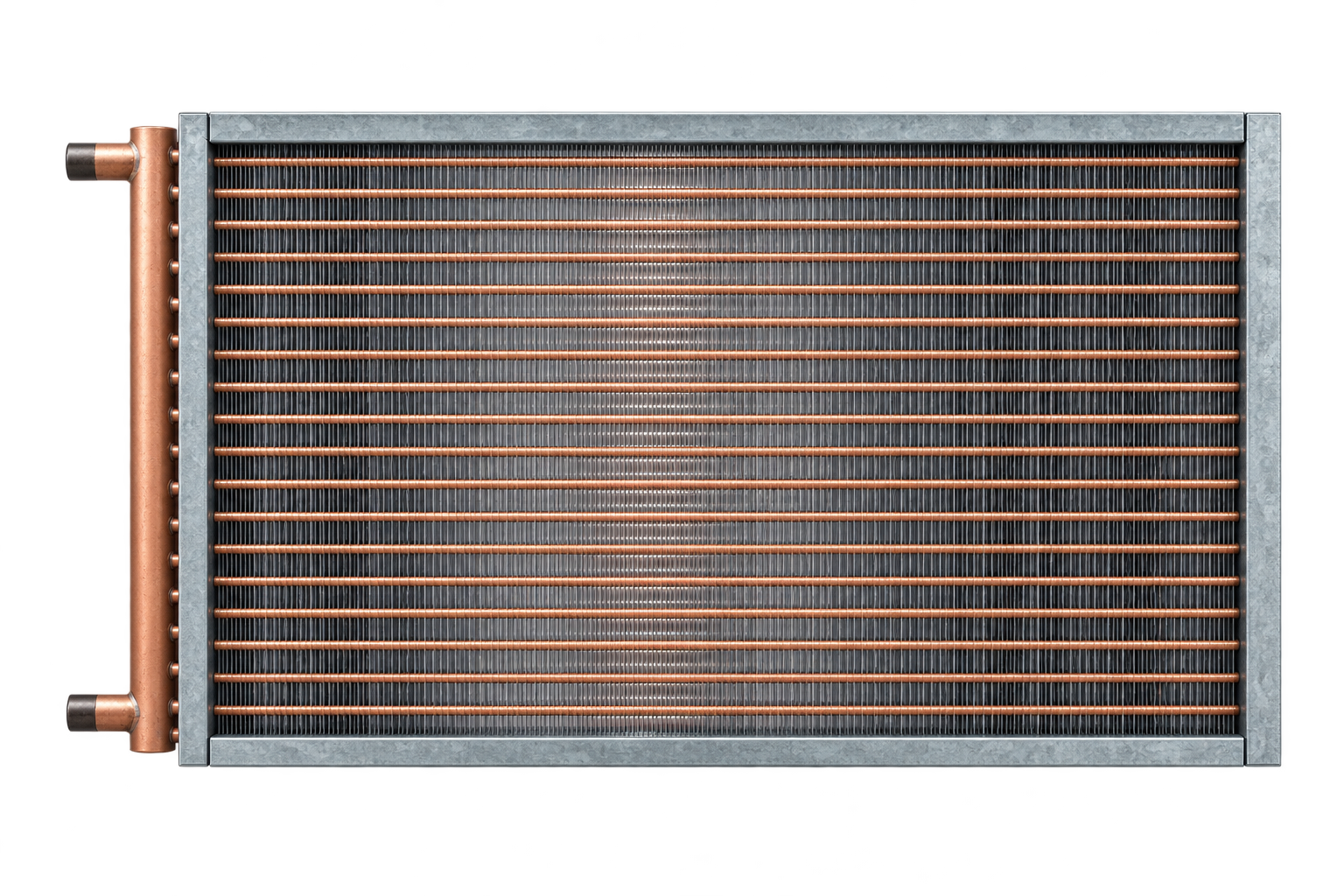
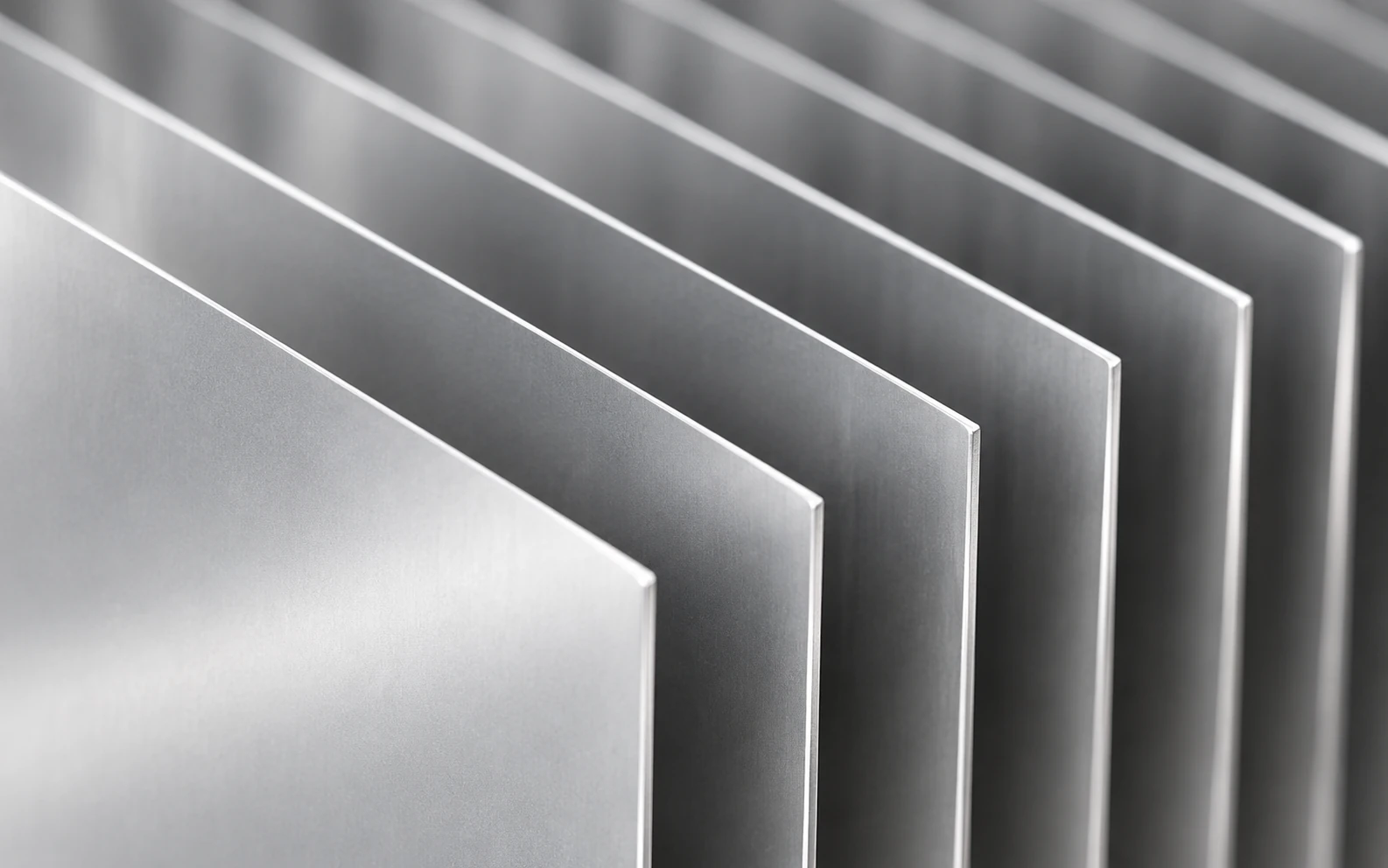
A chilled water coil transfers heat from the air into water circulating through its tubes. As air passes between the fins, it gives up heat and leaves cooler. Moisture also condenses when the coil surface is below the air’s dew point, allowing the coil to dehumidify the air.
Headers distribute and collect the circulating fluid. Unlike a DX evaporator, this coil receives chilled water or an approved water–glycol mixture rather than evaporating refrigerant inside its tubes. The illustration shows one possible construction. Connection arrangements can vary to suit the installation.
//Coil selection
What matters when selecting a chilled water coil?
The right coil depends on the cooling requirement, airflow, available space, and operating conditions—not building size alone.
What to consider
Why it matters
Cooling and humidity
Cooling load and moisture removal
Airflow and pressure drop
Airflow, fan capability, rows, and fin spacing
Water conditions
Water temperatures, flow, and glycol concentration
Materials and environment
Fluid compatibility and environmental exposure
Fit and installation access
Dimensions, connections, and removal space
Replacing an existing coil? Start with its measurements or drawing.
Operating data is not required to begin a measurement-based replacement request.
Relative material cost. Final pricing depends on coil specifications.
Casing
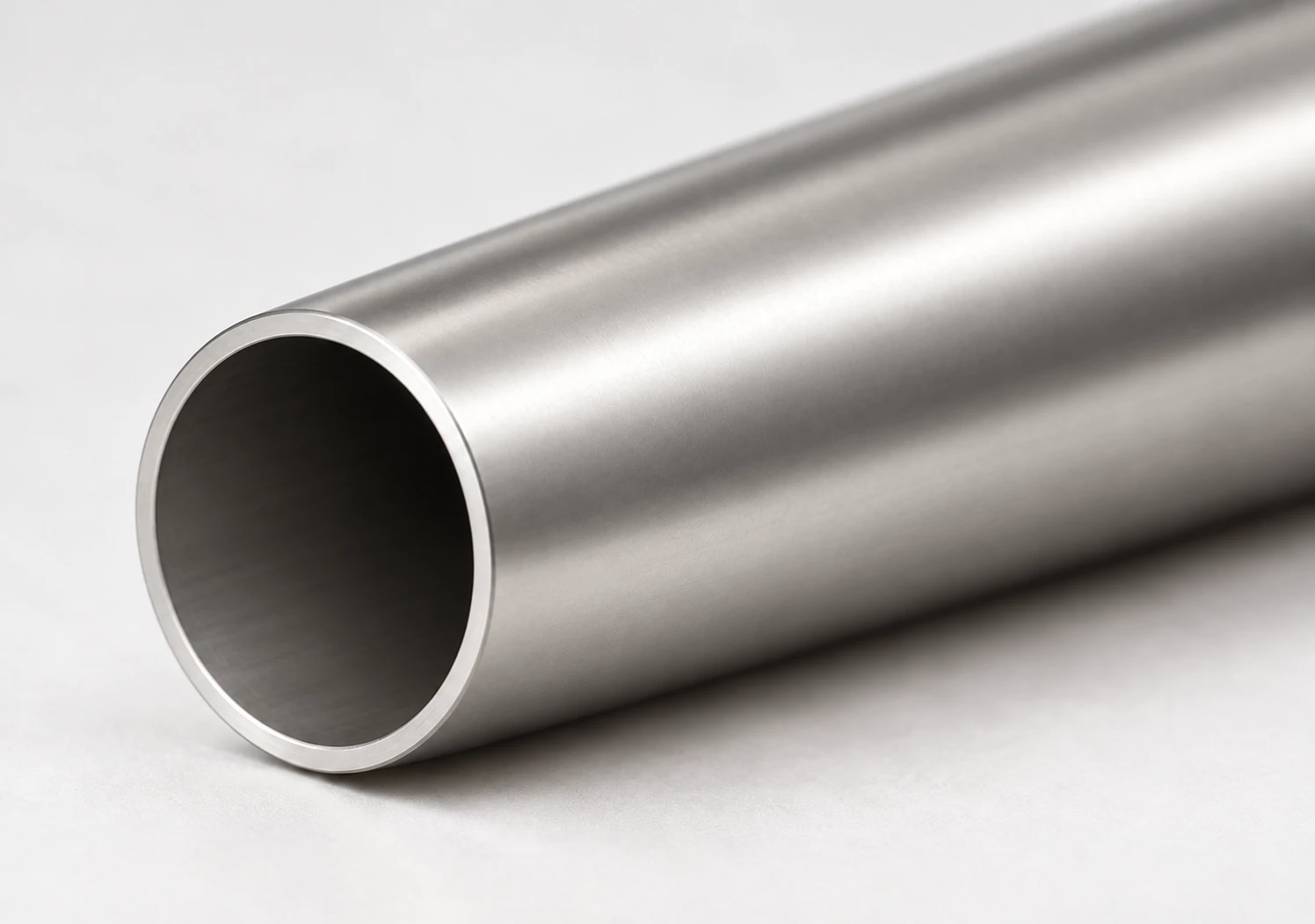
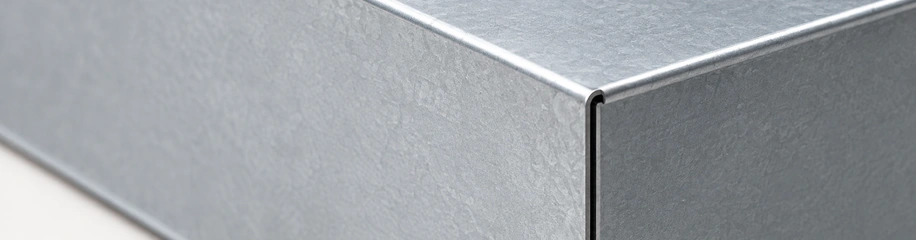
The formed frame supports and protects the coil. Galvanized steel and stainless steel casing options are reviewed against the application and approved drawing.
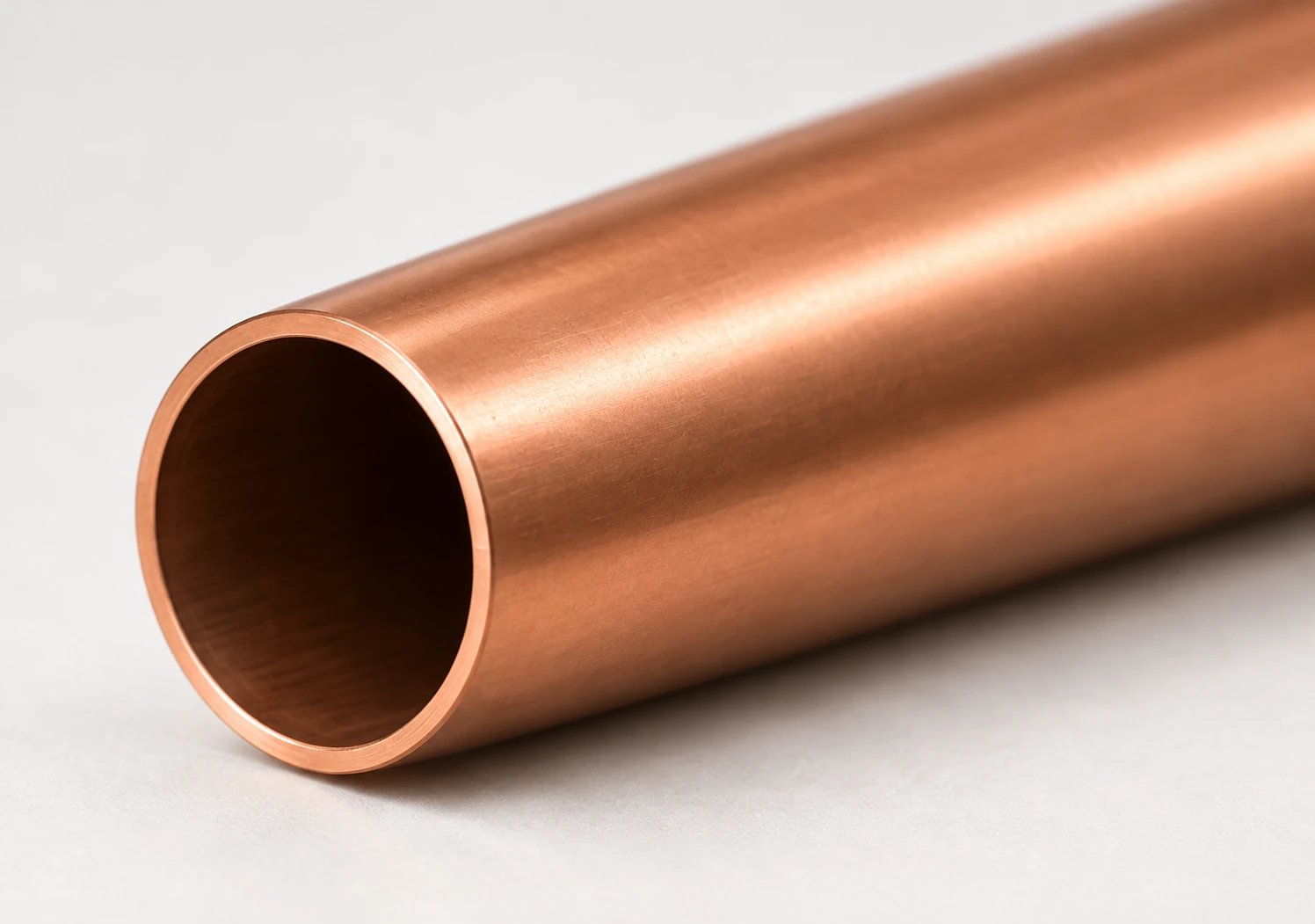
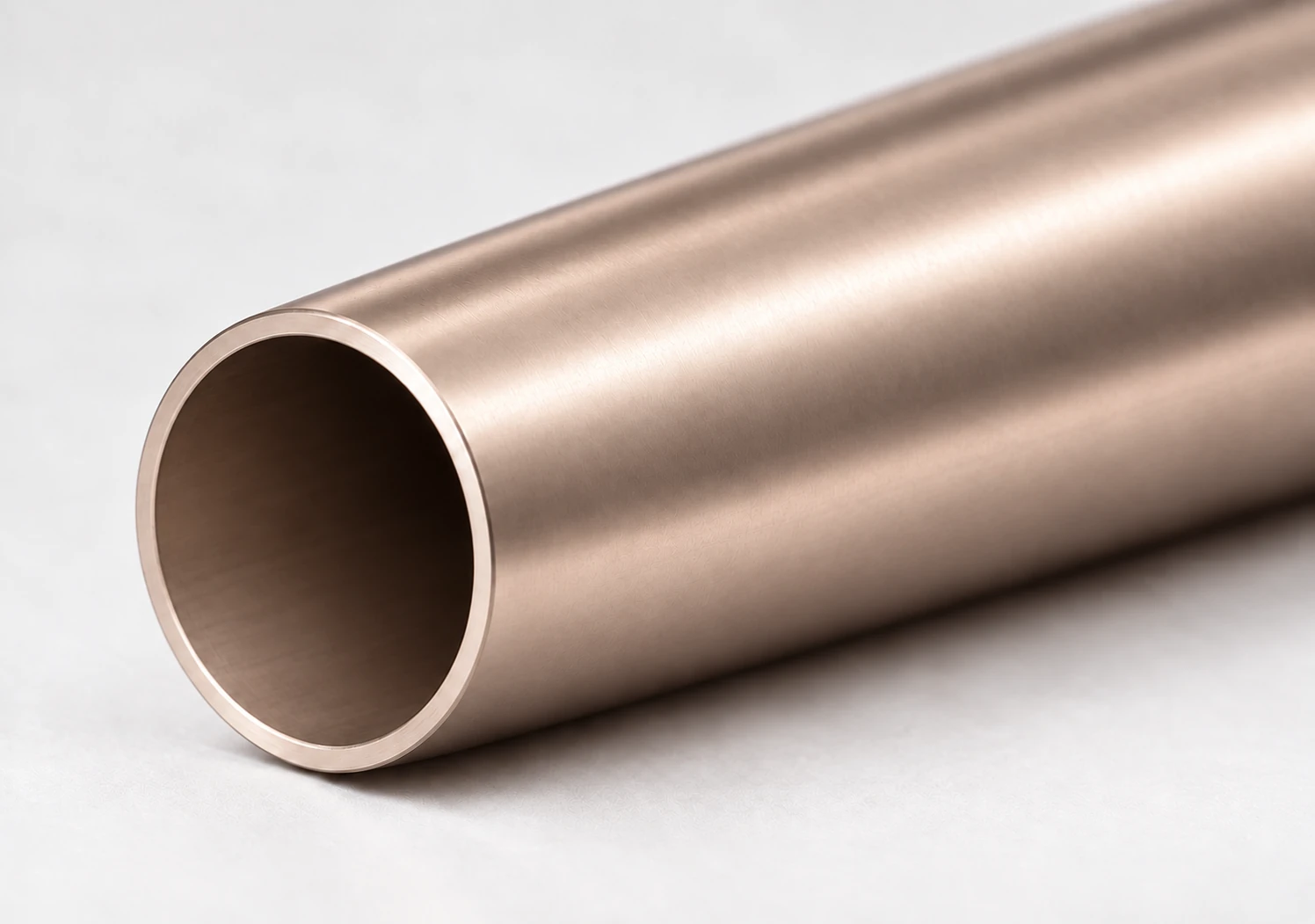
Header materials may include copper, copper nickel, or stainless steel. Final materials and construction are confirmed through the approved drawing.
Heat-transfer fluids
These fluids circulate through the coil to carry heat from the air back to the cooling system.
Water
Chilled water circulates through the coil’s tubes and absorbs heat from the air passing across the fins. The warmed water returns to the cooling system, where that heat is removed before the water circulates again.
Ethylene glycol
Freeze protection
Ethylene glycol is mixed with water to lower its freezing point. The mixture carries heat away from the coil while helping protect the circulating fluid from freezing in colder conditions.
Propylene glycol
Freeze protectionLower toxicity
Propylene glycol is another fluid mixed with water to lower its freezing point and transport heat. Its lower acute toxicity compared with ethylene glycol can make it preferable in applications where potential exposure is a consideration.
The fluid used depends on the system’s design and operating environment.
Start with the coil measurements or drawings you have. Rowform reviews your submission and follows up if additional information is needed.
Replacement and order details
OEM replacements
Discontinued or unknown model? Start with measurements or a drawing.
Independent aftermarket replacements. Rowform is not affiliated with or endorsed by these brands.
An equipment brand or model alone does not confirm compatibility. Review the proposed dimensions, connections, construction, and fluid details for the individual replacement.
Rowform supplies independent aftermarket replacements and is not affiliated with or endorsed by these equipment brands. Brand pages do not establish compatibility with every model.
Coil dimensions
Enter the overall, casing, and fin dimensions and coil depth requested in the measurement pathway. Use the measurement guidance or contact Rowform if a detail is unclear.
Connections and orientation
Provide the requested connection diameters, positions, and orientation. Connection photos are optional supporting information; drawings are not required in the measurement pathway.
Tube and fin construction
Enter the requested materials, rows, fins per inch, and tube counts from the existing coil. Review the proposed construction on the engineering drawing before approving it.
Fluid details
Identify the system’s water or water–glycol fluid if known. A measurement-based replacement request does not require airflow, water flow, entering air or water temperatures, or performance specifications.
Choose the measurement pathway or the separate drawings pathway. Equipment brand and model, nameplate photos, connection photos, and supporting drawings are optional in the measurement pathway; you do not need to supply all of them.
For requests based on operating requirements, email [email protected].
Coil protection
Nano Coating, E-Coating, and optional hydrophilic fin treatment.
Select No Coating, Nano Coating, or E-Coating in the Coil Protection step of Coil Brief. Use Help me choose to compare Nano Coating and E-Coating for your coil’s environment.
Nano Coating is a clear coating; E-Coating provides an epoxy barrier. Hydrophilic fin treatment is a separate optional add-on that helps water spread and drain from the fins. Added treatments are priced in your quote.
Your quote separates manufacturing and transit estimates.
Your quote includes estimated manufacturing and transit times based on the reviewed specifications, quantity, and freight service. Transit begins after dispatch and does not include production time.
Estimates are not guaranteed delivery dates. Expedited production and shipping are not currently available.
12-month limited warranty
Coverage begins at documented delivery.
Coverage starts at documented delivery and covers qualifying manufacturing and material defects. Registration is not required.
Freezing damage and corrosion caused by unsuitable fluids, chemicals, or environmental exposure are excluded. Review the full coverage, exclusions, and remedies before ordering.
Check the proposed dimensions, connection locations, materials, construction, and any selected coating on the engineering drawing before approving it. Contact Rowform about discrepancies before approval.
Submitting a Coil Brief does not place an order or require payment. Coil Record keeps your project documents and order updates together.
Use the measurement pathway to provide the requested coil dimensions, construction, connection details, and available fluid information, or use the separate drawings pathway to submit an existing drawing. Equipment identifiers, nameplate photos, connection photos, and supporting drawings are optional in the measurement pathway. You do not need to supply all of them. Airflow, water flow, entering temperatures, and performance specifications are not required for a measurement-based replacement request. For requests based on operating requirements, email [email protected].
Chilled water systems may use water, an ethylene glycol mixture, or a propylene glycol mixture. Identify the fluid used by your existing system in Coil Brief if known; the fluid step also offers I don’t know yet. A change of fluid or glycol concentration should be reviewed for the system rather than assumed compatible. Requests based on operating requirements can be sent to [email protected].
Yes. Provide the requested connection locations and orientation so the replacement layout can be reviewed. Airflow direction helps establish the coil’s orientation; it is different from airflow volume, which is not required for the measurement pathway. Check the proposed connection layout on the engineering drawing before approval.
Yes. Submit the existing coil details through the measurement pathway or an existing drawing through the drawings pathway. Equipment brand and model, nameplate photos, connection photos, and supporting drawings are optional in the measurement pathway. Rowform reviews whether a custom replacement can be supplied; the brand or model alone does not confirm compatibility.
The Coil Protection step offers No Coating, Nano Coating, and E-Coating, with Help me choose to compare the coating options. Hydrophilic fin treatment is a separate optional add-on that helps water spread and drain from the fins. Added treatments are priced in your quote.
Rowform’s limited coil warranty lasts 12 months from documented delivery, with no registration required. It covers qualifying manufacturing and material defects, subject to the Terms of Service. Freezing damage and corrosion caused by unsuitable fluids, chemicals, or environmental exposure are excluded. Review the full warranty for coverage, exclusions, and remedies.
Yes. Review and approve the engineering drawing, checking dimensions, connection locations, materials, construction, and any selected coating. Contact Rowform about discrepancies before approving it. Coil Record keeps your project documents and order updates together.
Your quote includes estimated manufacturing and transit times based on the reviewed specifications, quantity, and freight service. Transit starts after dispatch and does not include production time. Estimates are not guaranteed delivery dates. Expedited production and shipping are not currently available.