Coil Academy / Coil Basics
How the Refrigeration Cycle Works: Four Main Components, Explained
Follow the refrigerant as it collects heat, releases it somewhere else, and returns to repeat the job.
In this article10 sections
An air conditioner cools a room by moving heat out of it. Refrigerant is the fluid that carries that heat through a connected loop of equipment. It changes between liquid and vapor as it travels.
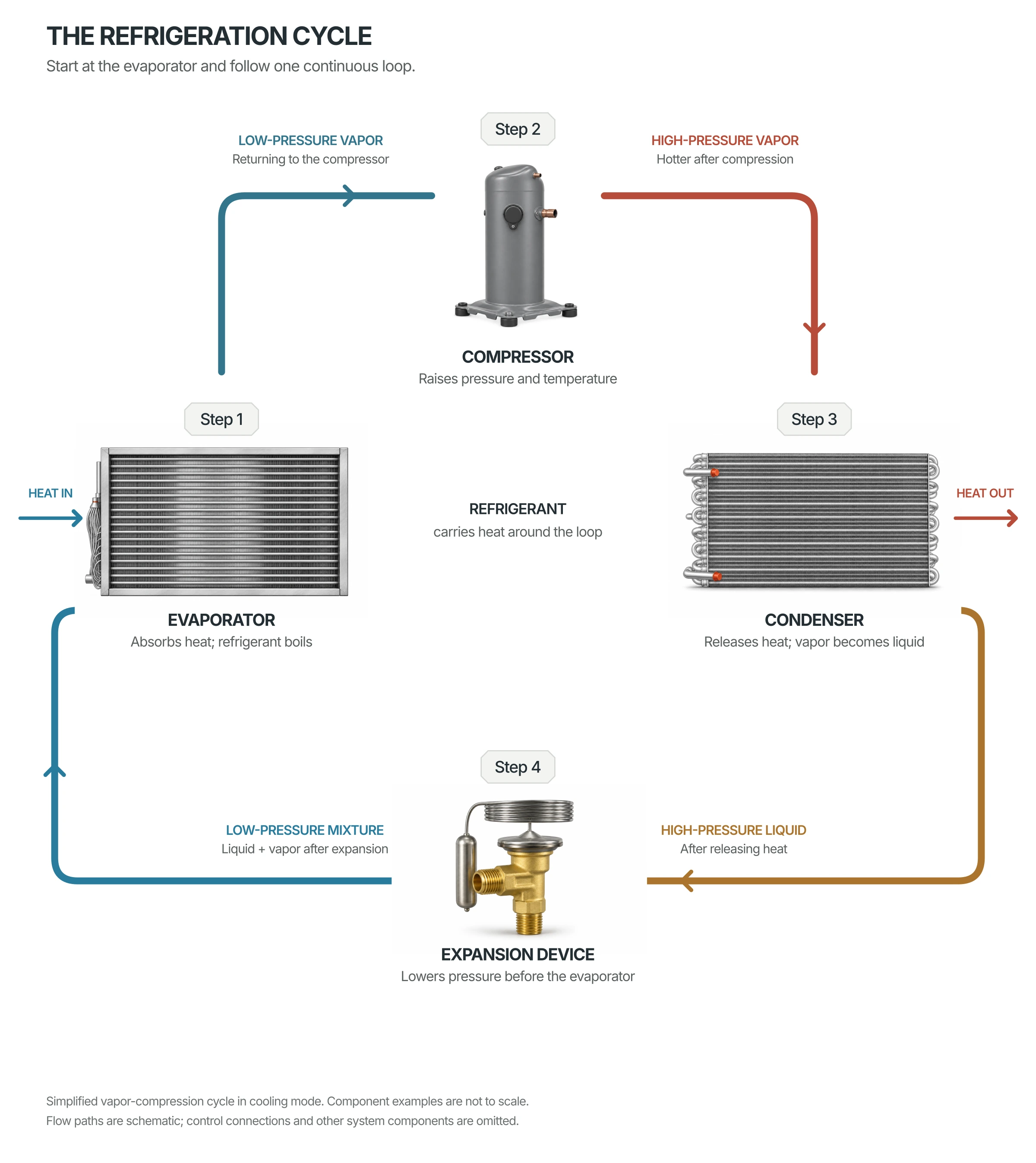
This article follows a basic vapor-compression refrigeration cycle in cooling mode. Its four main components are the evaporator, compressor, condenser, and expansion device. These are four parts of one cycle, not four separate refrigeration cycles.
Step 1: The evaporator absorbs heat
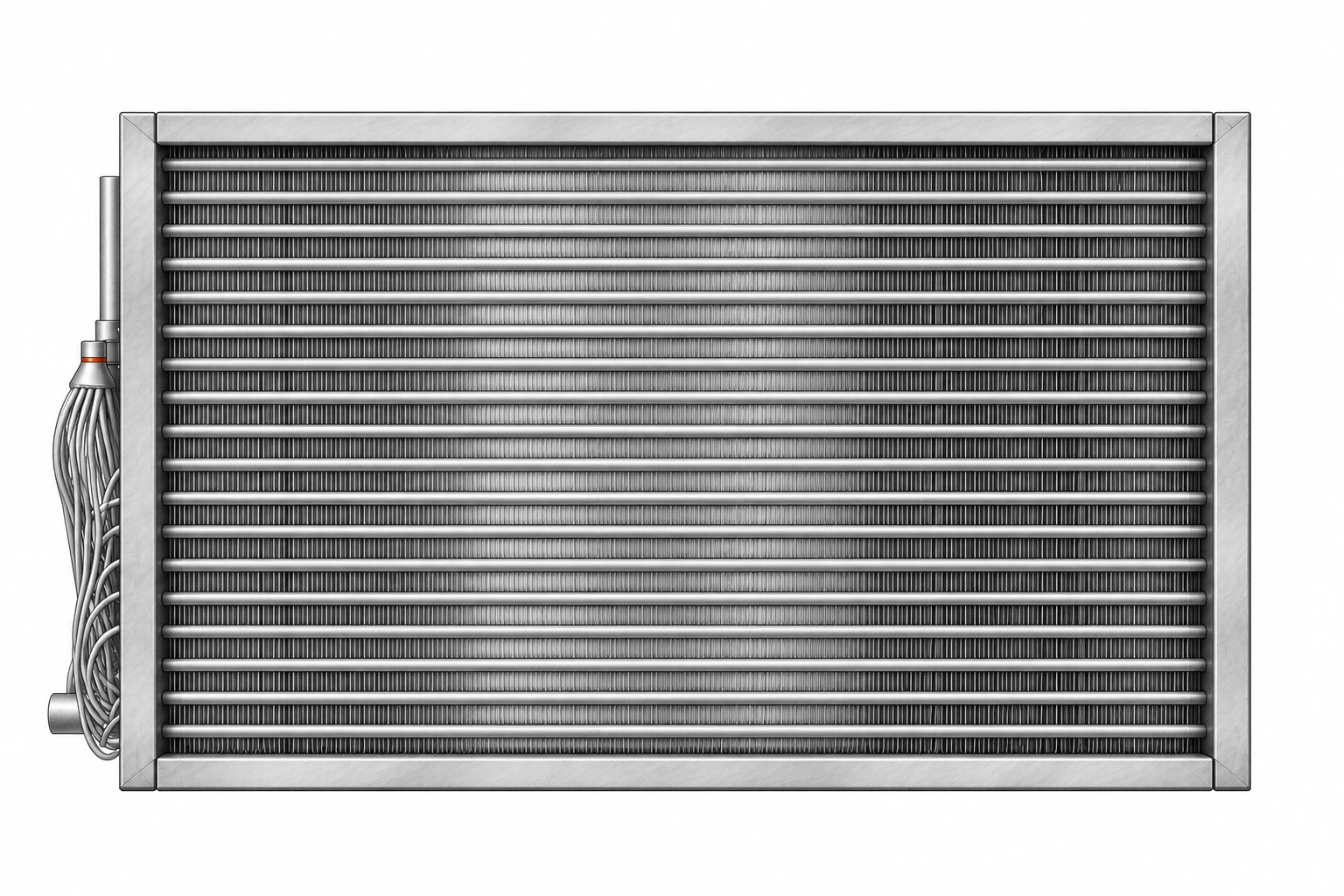
The evaporator is the part where refrigerant takes in heat. In an air-conditioning system, a fan moves room air across the outside of the evaporator coil. The refrigerant inside is colder than that air, so heat passes through the metal into the refrigerant. The air leaves cooler.
Taking in that heat causes the liquid refrigerant to boil into vapor. Boiling does not always mean something is hot to the touch: a refrigerant can boil at a low temperature when its pressure is low enough.
The evaporator gets its name from this change from liquid to vapor. It is the refrigerant inside the tubes that evaporates. The room air stays outside them.
Why the refrigerant cannot simply stay cold
The refrigerant has collected heat, and it needs to release that heat elsewhere. In a typical air-cooled air conditioner, that destination is the outdoor air.
Heat passes naturally from something warmer to something cooler. To release heat to outdoor air, the refrigerant must be warmer than that air. This is why the cycle needs both a low-pressure side for absorbing heat and a high-pressure side for releasing it.
Step 2: The compressor raises the pressure
Refrigerant vapor leaves the evaporator and enters the compressor. The compressor uses power to compress that vapor, raising its pressure and temperature. It sends the hot, high-pressure vapor toward the condenser.
The compressor helps keep refrigerant circulating and maintains the pressure difference needed by the cycle. It normally receives vapor, rather than a stream of liquid.
The refrigerant has now been prepared to give up heat at the next component.
Common compressor types
They all serve the same role in the cycle, but they use different mechanisms. A compressor’s outer casing does not always reveal the design inside.
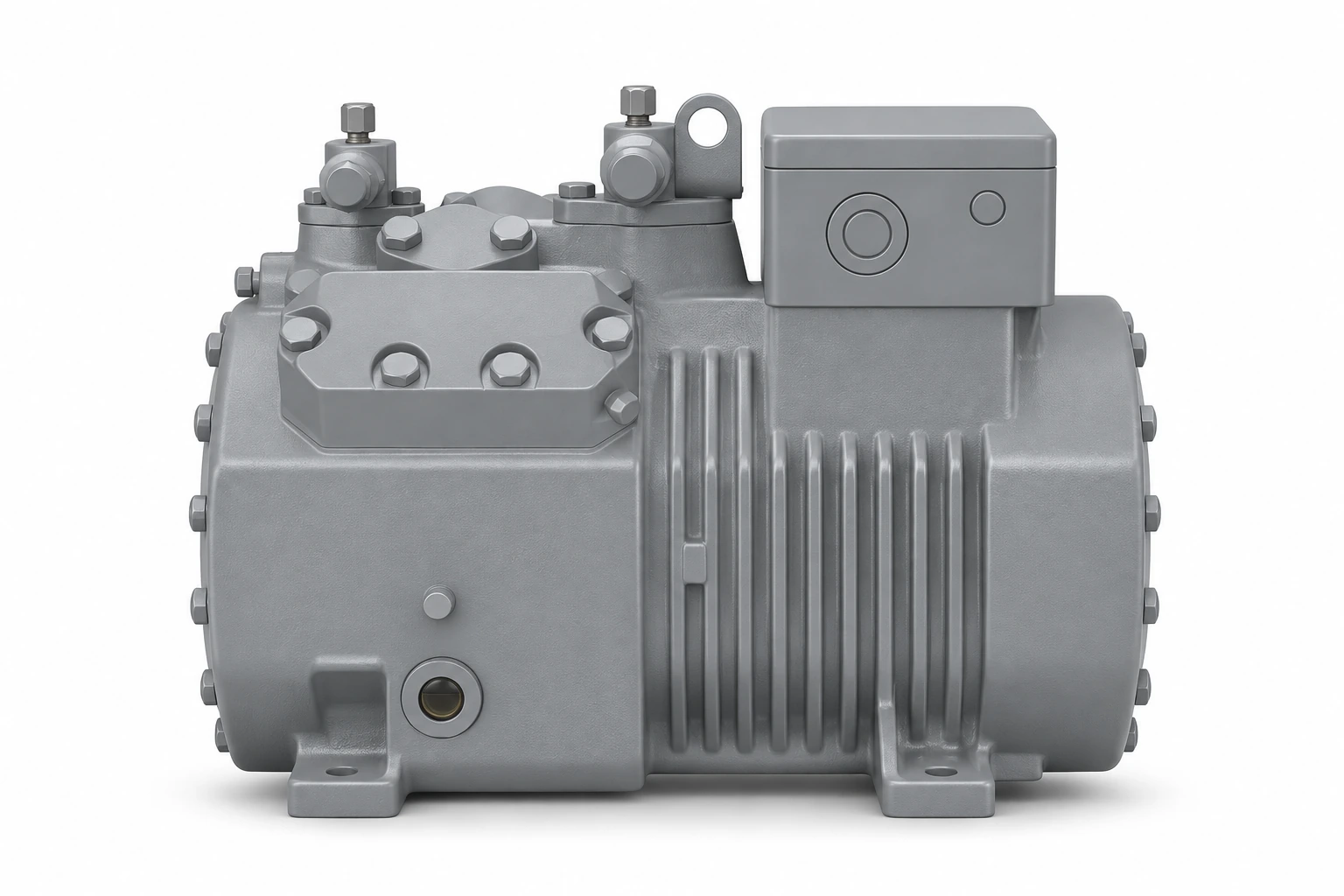
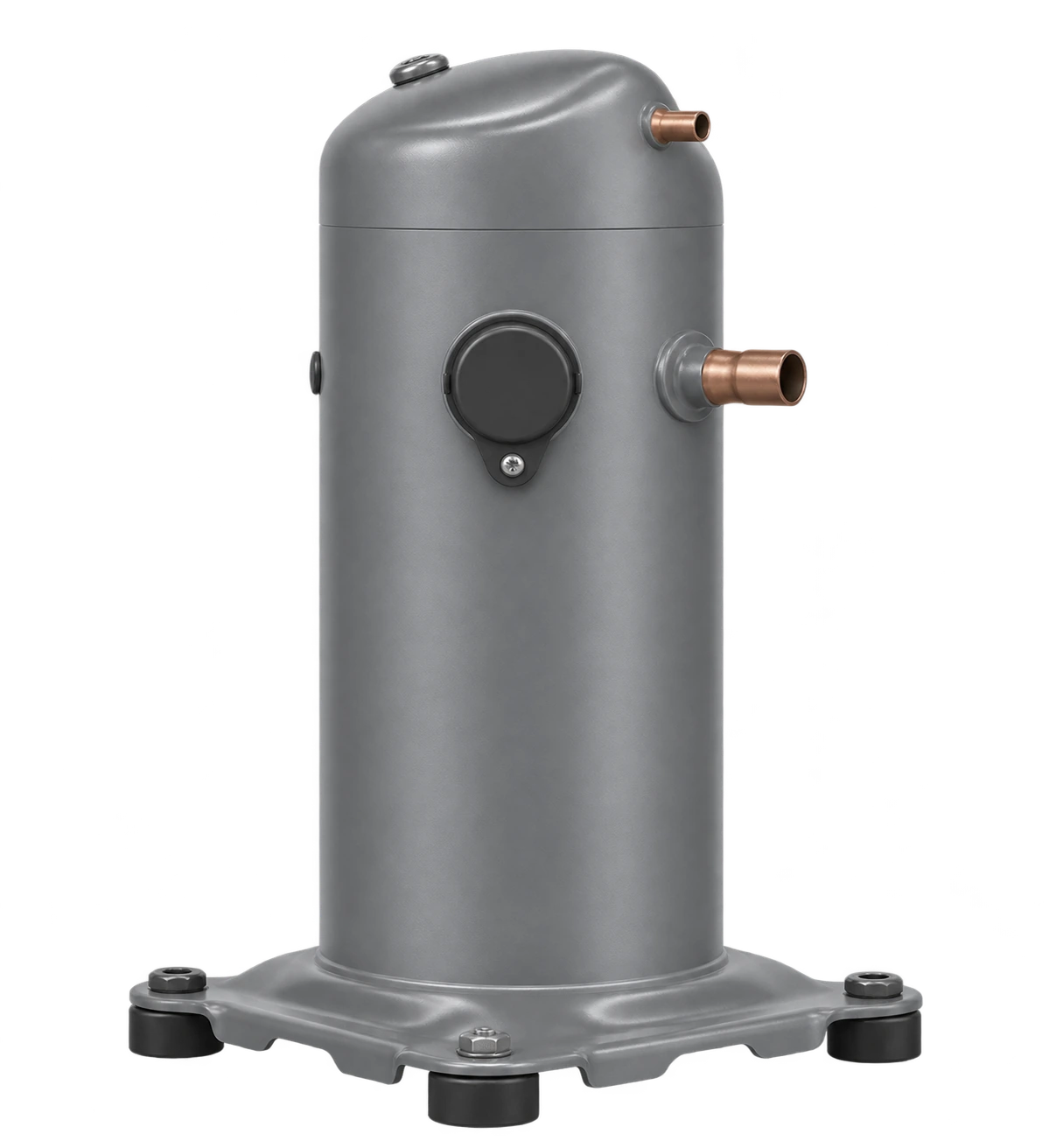
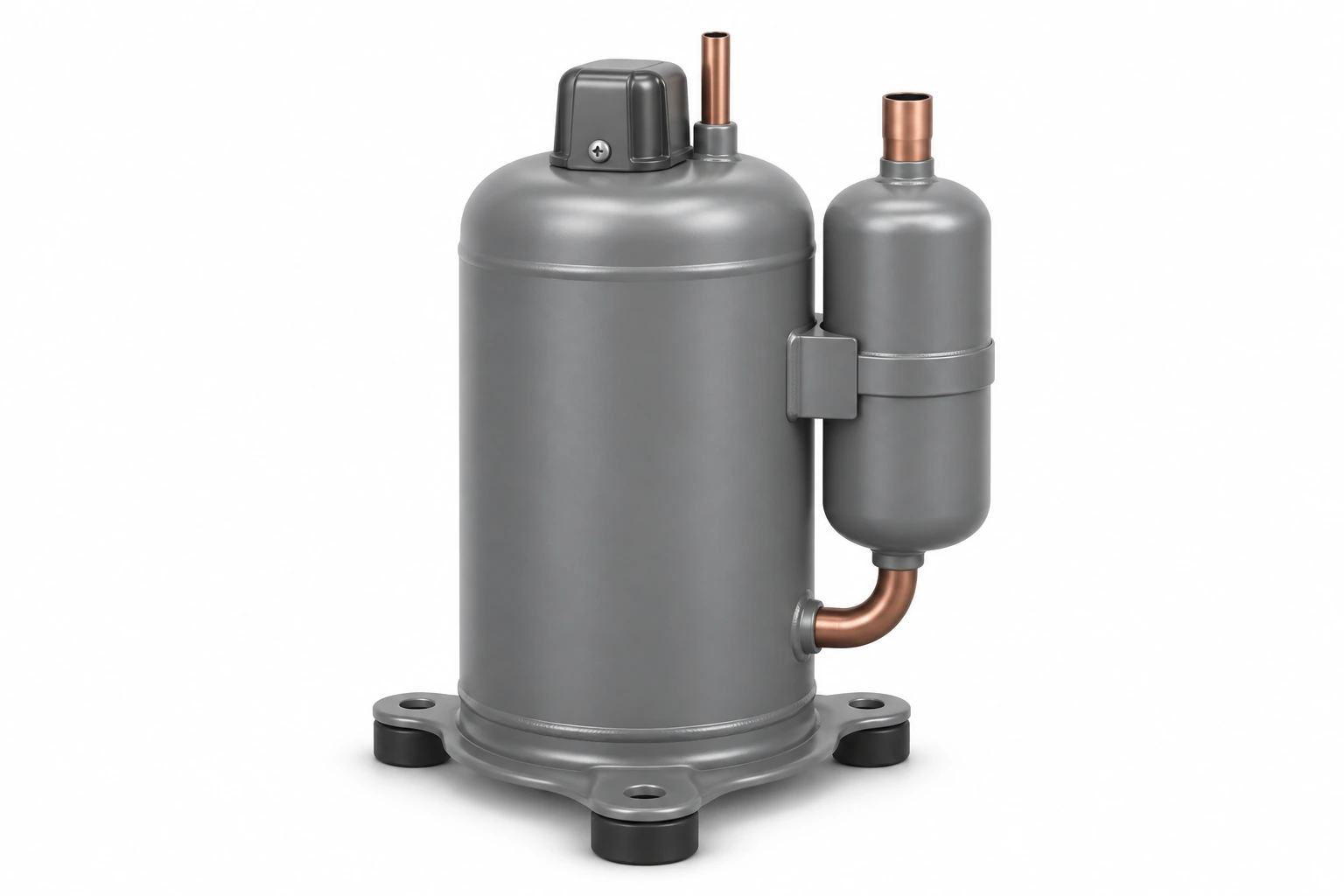
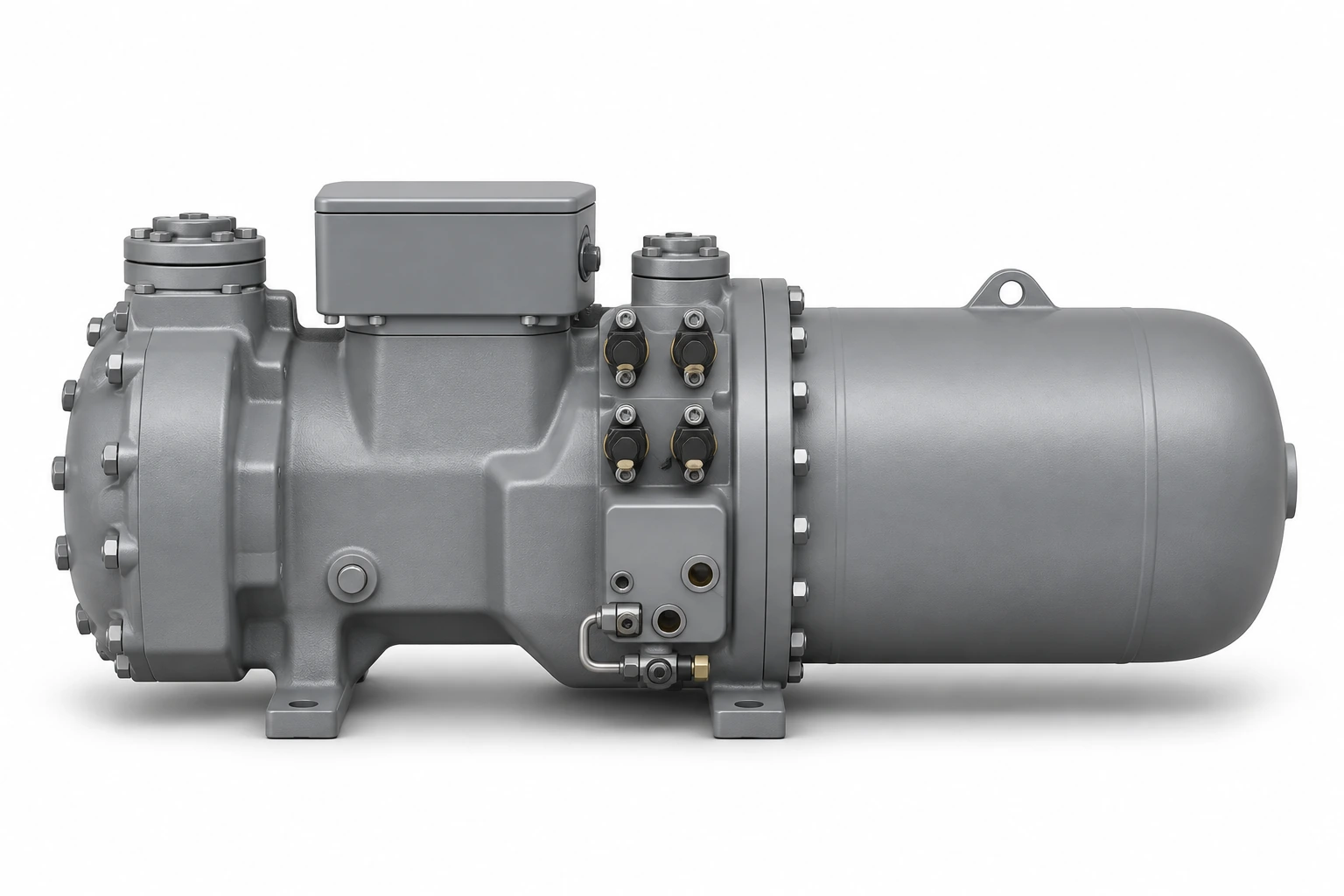
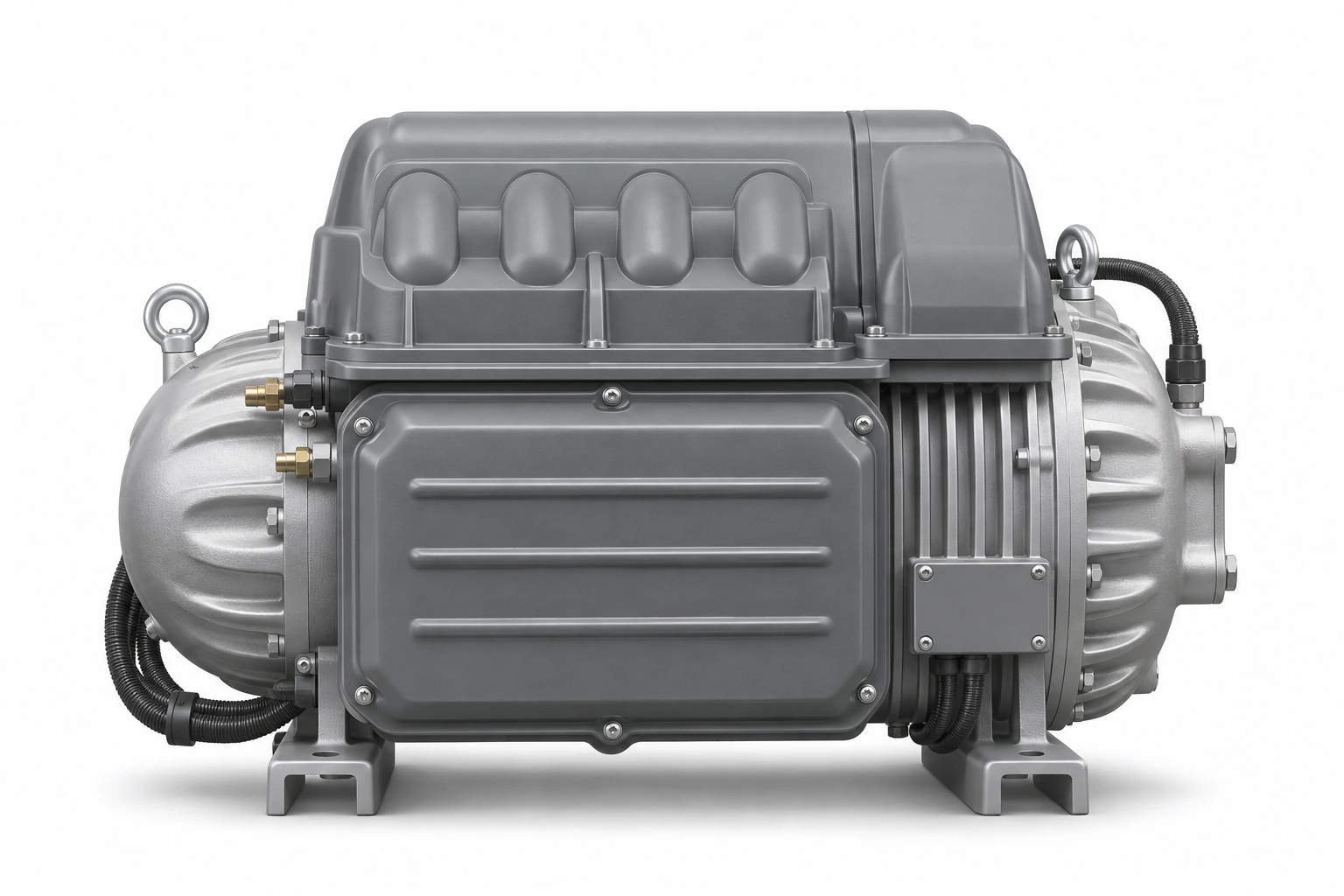
You do not need to memorize these designs to follow the cycle. The key is that the compressor receives vapor and raises its pressure; the evaporator and condenser handle heat exchange.
Step 3: The condenser releases heat
In an air-cooled condenser, a fan moves outdoor air across the coil. The refrigerant is hotter than the air, so heat passes out through the metal. As enough heat leaves, refrigerant vapor becomes liquid. That change is called condensation.
The condenser is releasing the heat picked up at the evaporator, along with energy added by the compressor. The heat has been moved; it has not disappeared.
Refrigerant leaving the condenser is still on the high-pressure side. It is cooler than the hot vapor that entered, but it is not necessarily cold. Other systems can release condenser heat to water instead of directly to air.
Step 4: The expansion device lowers the pressure
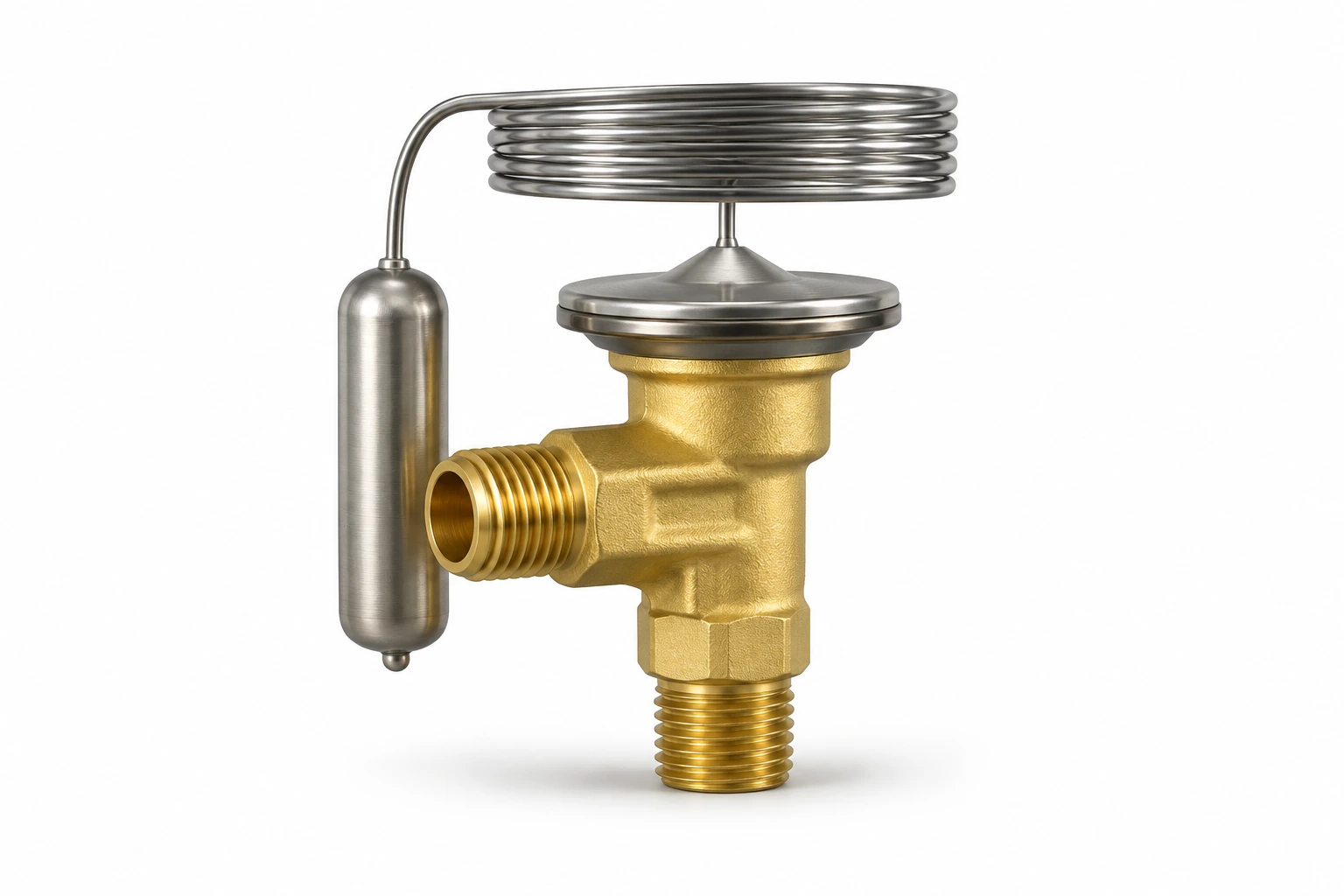
The high-pressure liquid reaches a restriction that controls its flow into the low-pressure side. This is the expansion device. It may be an expansion valve or another metering device, such as a capillary tube.
As the pressure drops, some liquid quickly turns into vapor. The refrigerant leaving is a colder mixture of liquid and vapor, ready to enter the evaporator.
The expansion device does not remove the room's heat. It prepares the refrigerant to absorb that heat in the evaporator. Different device designs regulate flow in different ways; they do not all use the same controls.
Back to the evaporator
The cold liquid-and-vapor mixture enters the evaporator. More of the liquid boils as the refrigerant absorbs heat. Vapor then returns to the compressor, and the process continues.
The loop is continuous, so there is no single physical starting point. We began at the evaporator because it makes the result easiest to see: air loses heat and becomes cooler.
Follow the refrigerant around the loop
| Component | Main job | Refrigerant change |
|---|---|---|
| Evaporator | Absorbs heat | Low-pressure mixture becomes vapor |
| Compressor | Raises pressure and temperature | Low-pressure vapor becomes high-pressure vapor |
| Condenser | Releases heat | High-pressure vapor becomes liquid |
| Expansion device | Lowers pressure and meters flow | High-pressure liquid becomes a low-pressure liquid/vapor mixture |
Pressure, temperature, and whether the refrigerant is liquid or vapor describe different things. A high-pressure liquid is not automatically cold, and a low-pressure vapor is not the same thing as air.
How this relates to the coils
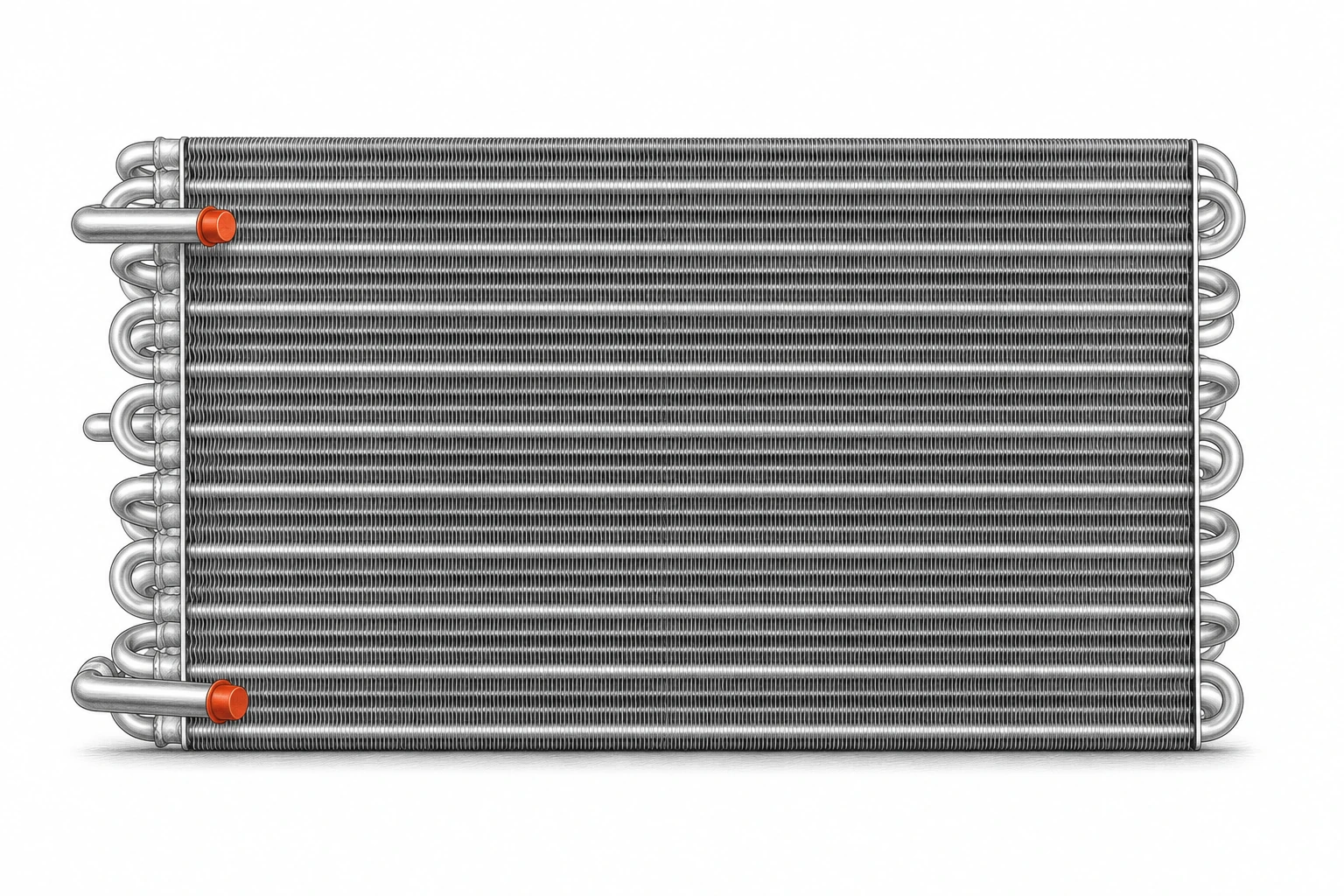
The evaporator and condenser are heat exchangers: components that pass heat between the refrigerant and another fluid, such as air or water. In fin-and-tube equipment, the tubes carry refrigerant and the fins provide extra surface for exchanging heat with passing air.
They are named for what the refrigerant does inside: it evaporates in the evaporator and condenses in the condenser. Moisture from room air may also collect outside a cold evaporator, but that water is separate from the refrigerant.
In a reversible heat pump, the indoor and outdoor coils can exchange these roles when the system changes between cooling and heating. The component names describe their function in the operating mode.
What this basic picture leaves out
Real systems also contain controls, piping, and other components. Their arrangement depends on the equipment. This explanation follows the basic loop rather than a complete installation.
Terms such as superheat and subcooling describe refrigerant conditions in more detail. They are useful for understanding system operation, but you do not need them to follow the main idea: absorb heat, raise pressure, release heat, and lower pressure so the process can repeat.
Coil Recall
Review the article’s main ideas, one card at a time.
Card 1 of 7